The estate record
Warter Priory & Wheldrake
Walton Hall
A Walton Hall connection to Lord Neil Gibson — the full record of the Yorkshire estates, the Waterton lineage, and the titles held under the Law of Property Act of 1925.
Walton Hall
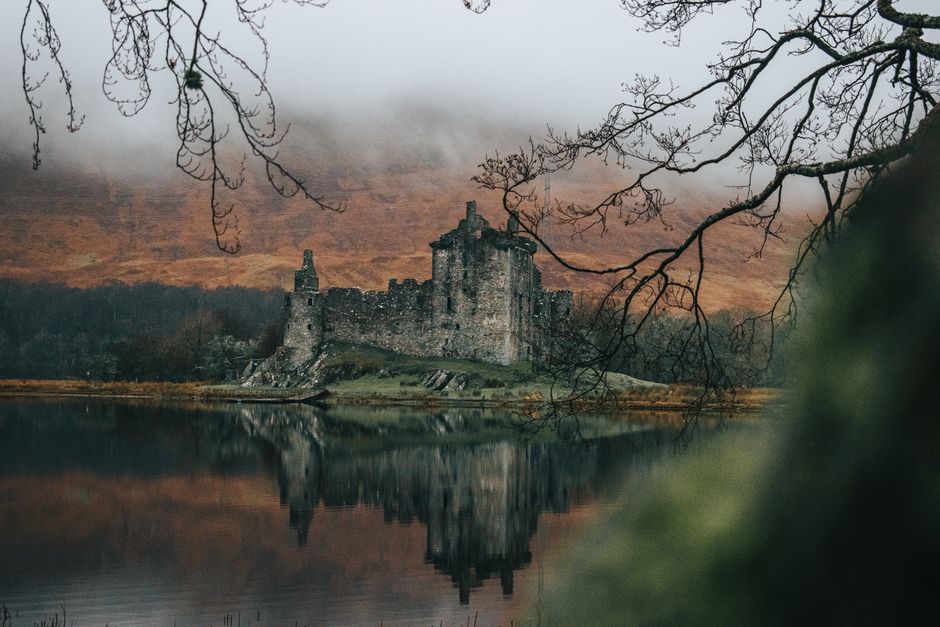
Warter Priory and Wheldrake
Having been born in Walton Hall, Lord Neil B. Gibson’s journey in this life began on September 10th, in the year of 1963. As his life continued to flourish, he acquired lands and thus retained his Lord title as demonstrated today.
Pursuant to the Law of Property Act of 1925, the titles Lord of Wheldrake and Warter Priory are under the Assignor Asset, claimed as incorporeal rights to the said style and title. Wheldrake and Warter Priory are within a 25 mile radius as the crow flies of each other.
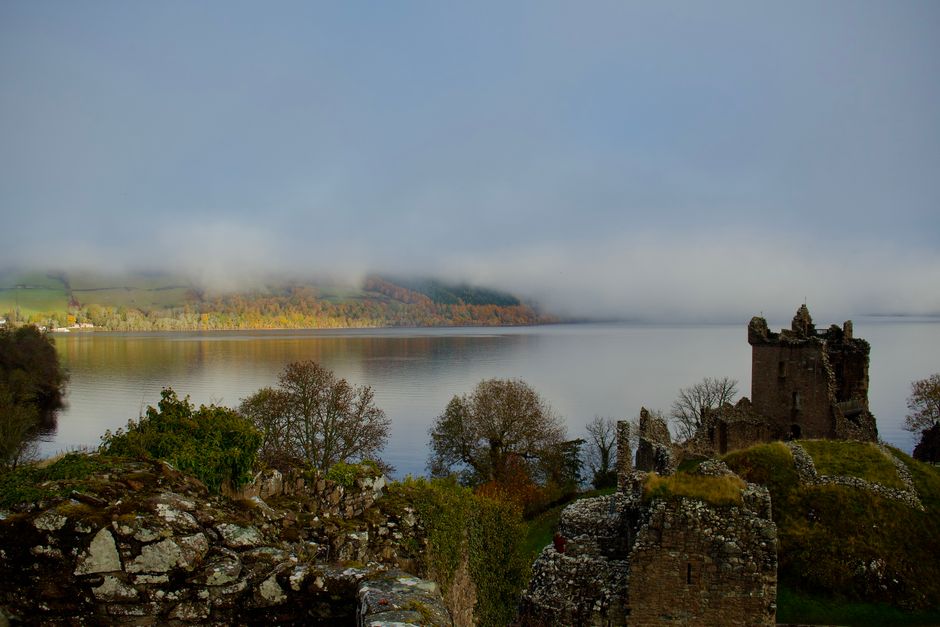
Built in the Palladian style of 1767 on an island within a 26-acre (11 ha) lake situated on a former moated hall reminiscent of the medieval era, Walton Hall remains a stately home in the county of West Yorkshire, England, adjacent to Wakefield. The home boasts ancestry to the naturalist and traveller Charles Waterton, who converted Walton Hall into the world’s first wildfowl and nature reserve. Waterton’s son, Edmund, sold the estate.
The Waterton legacy
Charles Waterton and the nature reserve

The Waterton Collection is now in Wakefield Museum. Waterton Park Hotel enjoys the privilege of having Walton Hall as a part of its establishment, where as prior it functioned as a maternity home in the 1940s, the early 1950s and once more in the early 1960s.
Walton Hall, with his residence at Cawthorne, was an abode to Ailric, the Old English (Anglo-Saxon) Chieftain and ancestor of Charles Waterton, as further described in the Domesday Book, and was the King’s Thane for South Yorkshire.
During the first arrival of the Normans to Yorkshire, Ailric resided at Walton Hall, alerted of the forthcoming force by a man on horseback. In reaction to the warning, Ailric hastily amassed his retainers and ambushed the mounted Norman knights of Ilbert de Laci, moving via the Tanshelf road to Wakefield, by horseback.
The Norman era
Ailric and Ilbert de Laci
However, the Ilbert de Laci knights were superior in armour and weaponry, successfully driving off Ailric’s attempted ambush. For approximately 2 to 3 years, Ailric maintained a guerrilla war through his estates in the west of South Yorkshire, until finally Ilbert was forced to reach an accommodation with him.
The result was Ailric communicating with the local people and being granted back many of his former estates, including Walton Hall. One descendant of this family relation, Sara le Neville, married Thomas De Burgh, the Steward of the Countess of Brittany, Duchess of Richmond.
Throughout the year, she lived at Walton Hall, which was one of six manors, including the Silkstone and Cawthorne along with the De Burgh manors in North Yorkshire. Sir Philip de Burgh, in 1333, was granted a license to ‘crenelate’ his Walton Hall manor house.
1435
The Waterton family acquisition

The Cawthorne estates and those at Walton, which incorporated Walton Hall, were acquired by the Waterton family through the marriage of Constance Asshenhull, the heiress of the De Burgh family, to Richard Waterton in 1435.
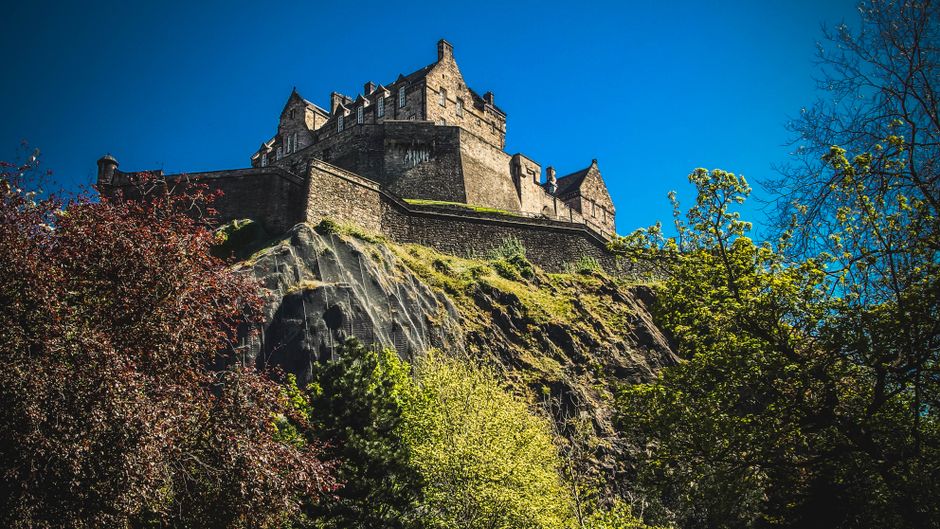
During the era of Sir Robert Waterton, having served King Henry VIII, the hall was three storeys high and came to the water’s edge. Sir Richard Tempest, the father-in-law to Sir Robert Waterton, who was at the Field of the Cloth of Gold with King Henry VIII, was also Steward of the King’s manor of Wakefield and involved in the Tempest-Saville Feud.
The old watergate is the only part of the old buildings that remain, which has been said to be part of an earlier 14th century structure. At the time, it was the only entrance to be made, which was across a lowered drawbridge. On the second storey and in an L shape, was the old hall as referred by Charles Waterton.
The lineage
Armorial shields and Yorkshire families
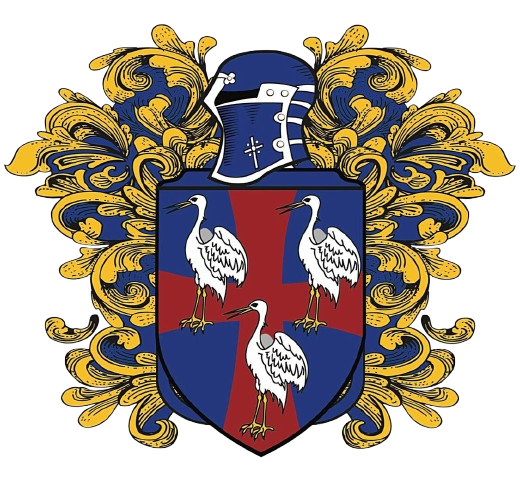
The armorial shields, fastened to the walls and representative of the Waterton family ancestors, are still found in the entrance hallways of Walton Hall. Intermarriage with other prominent Yorkshire families of the medieval age, including the Percys, Barnbys, Wentworths and the Hildydards, among others, became part of the Waterton family lineage.
Today, these armorial records and incorporeal rights connect the ancient feudal lineage of West Yorkshire directly to the titles of Wheldrake and Warter Priory, forming an uninterrupted record from Anglo-Saxon England to the present day.